Nyheter

What Makes the “Heart” of the Power System Beat Steadily?


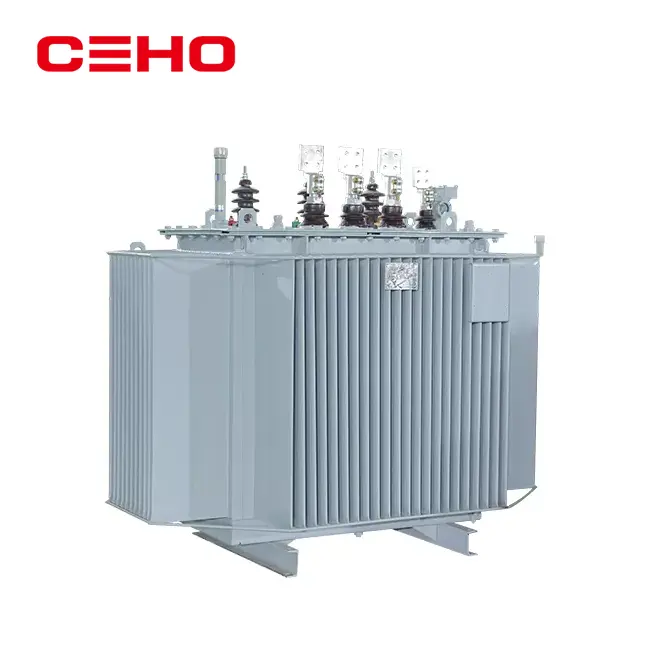
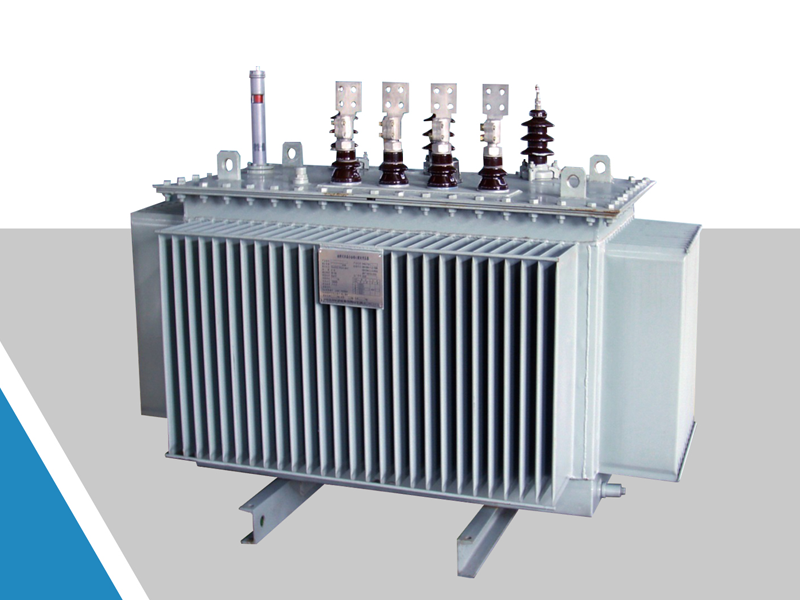
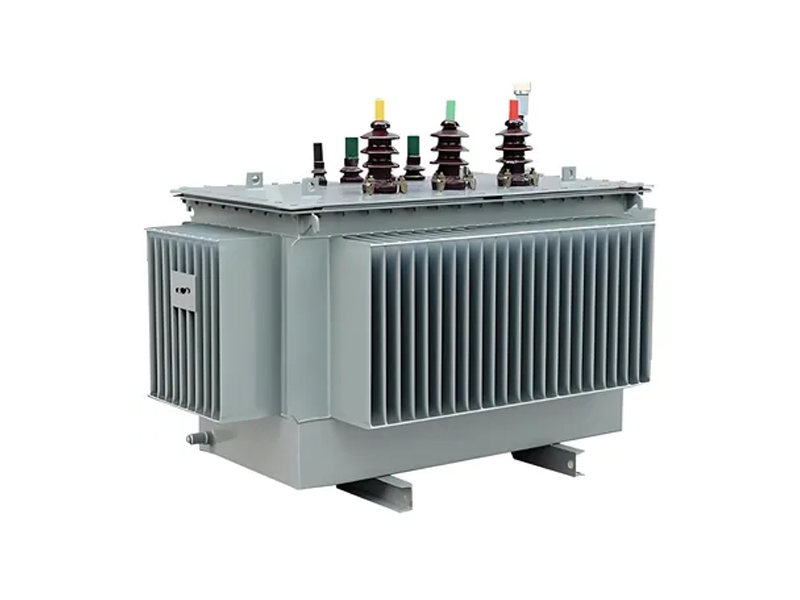
If the huge power grid is compared to the human body's vascular system, then the transformer is the "heart" that maintains blood flow. Once it strikes, the entire region's electricity supply will be paralyzed. Its operating status directly determines the security and stability of the power grid. So, how to ensure the health and longevity of this "heart"? We can understand it from the following popular dimensions.


I. What is transformer reliability?

In the context of engineering and statistics, reliability refers to "the ability of a product to complete specified functions under specified conditions and within a specified time." For transformers, this concept encompasses the following three core dimensions:


1. Inherent reliability: “innate” attributes determined by design, material selection, and manufacturing processes. This is the basis of reliability.

2. Reliability in use: "acquired" properties displayed during transportation, installation, debugging and long-term operation. The level of operation and maintenance has a huge impact on it.

3. Key indicators: usually measured by mean time between failures (MTBF), failure rate (Failure Rate) and availability factor (Availability Factor).

High reliability transformers mean that they can withstand multiple stresses such as electrical, thermal, mechanical and environmental stresses without sudden failure during the entire life cycle (usually 30 years or more).


II. Core factors affecting transformer reliability

The causes of transformer failure are complex. According to industry statistics (such as the CIGRE International Large Power Grid Conference Report), they can be mainly summarized into the following categories:


1. Aging of the insulation system (main cause)

Insulation is the "lifeline" of the transformer. Oil-immersed transformers mainly rely on insulating oil and insulating paper.

  • Thermal aging: Long-term overloading or local overheating causes the insulating material to become embrittled and the degree of polymerization to decrease.
  • Electrical aging: Partial discharge (Partial Discharge) gradually erodes the medium inside the insulation.
  • Chemical Aging: Moisture, oxygen, and acids produced in oil accelerate insulation deterioration.


2. Manufacturing and material defects

  • Winding winding process: Insufficient pressing force between turns may cause winding deformation during short circuit.
  • Lead connection: Poor welding or crimping can lead to excessive contact resistance, causing high-temperature fuses.
  • Silicon steel sheet quality: Excessive hysteresis loss causes core overheating.


3. External operating environment

  • Lightning and operating overvoltage: Atmospheric overvoltage or transient high voltage generated by switching operations may breakdown the insulation.
  • Short circuit impact: The huge electric force generated by the system short circuit is the direct culprit of winding deformation.
  • Environmental factors: Humidity, pollution, salt spray (coastal) or high altitude areas place higher requirements on insulation coordination.


III. The key to improving reliability: from design to manufacturing

To ensure reliability at the source, we must achieve perfection in the design and manufacturing process.


1. Advanced electromagnetic design and simulation

Finite element analysis (FEA) software is used to accurately simulate the leakage magnetic field and Lorentz force inside the transformer. By optimizing the winding ampere-turn balance and installing magnetic shielding, the axial and radial mechanical stress under short circuit conditions is effectively reduced and the winding deformation is prevented.


2. Rigorous material screening

• Wires and insulation materials: Use high-purity copper and high-quality insulation paper (such as thermally modified insulation paper).

• Core: Made of high-quality cold-rolled oriented silicon steel sheet (CRGO) with high magnetic permeability and low loss. The lamination process is strictly controlled to reduce no-load loss and noise.


3. Process control and factory testing

• Vacuum oil filling and drying: Strict vacuum treatment process can effectively remove bubbles and moisture in the insulation system, which is the key to preventing partial discharge.

• Full type test: In addition to conventional transformation ratio and direct resistance tests, temperature rise test, lightning impact test and sudden short circuit test must be carried out. In particular, the short-circuit withstand test (SST) is the highest threshold for verifying the mechanical strength of the transformer.


IV. Full life cycle operation and maintenance guarantee

"Third points depend on manufacturing, and seven points depend on maintenance." During the operation phase, replacing traditional periodic maintenance with condition-based maintenance (CBM) is a modern means of improving reliability.


1. Dissolved gas analysis (DGA) in oil

This is the "blood test" of the transformer. By detecting the content of characteristic gases such as hydrogen (H₂), methane (CH₄), and acetylene (C₂H₂) dissolved in the insulating oil, it can be accurately determined whether there are latent faults such as partial discharge, overheating, or arc discharge.


2. Online monitoring technology

• Partial discharge online monitoring: Capture early signs of insulation degradation.

• Winding deformation test: compare historical data with the frequency response method (FRA) to determine whether the winding has been displaced after suffering a short-circuit impact.

• Casing dielectric loss monitoring: Real-time monitoring of the capacitance and dielectric loss factor (tanδ) of the casing to prevent casing explosion accidents.


3. Intelligent operation and maintenance

Combining big data and artificial intelligence algorithms, a health index (HI) evaluation model for transformers is established. Dynamically adjust maintenance strategies based on real-time data to achieve a leap from "preventive maintenance" to "predictive maintenance".


V. Future Trends: Evolution of High Reliability Technology

With the development of new power systems (high proportion of new energy access, DC transmission, etc.), transformers are facing new challenges, and reliability technology is also constantly iterating:


1. Environmentally friendly insulation medium: Using natural ester (vegetable oil) transformers, it not only has a higher ignition point and better biodegradability, but its moisture tolerance is also better than mineral oil, improving fire safety and environmental friendliness.

2. Digital Twin: Construct a virtual digital image of the transformer, map the status of the physical entity in real time, and achieve full life cycle simulation and fault prediction.

3. High-temperature superconducting transformer: Taking advantage of the zero-resistance characteristics of superconducting materials, it completely eliminates Joule heat loss and greatly improves capacity density and operational reliability (it is still in the demonstration application stage).


Conclusion

Transformer reliability is a complex system engineering involving material science, electromagnetic theory, mechanical manufacturing, insulation technology and data science. It requires both manufacturers to strive for excellence at the source, and it is also inseparable from the scientific management of operation and maintenance by power grid enterprises.


In the context of building a new power system with new energy as the main body, only by continuing to promote technological innovation and management upgrades can we ensure that this power "heart" beats more steadily and provide continuous power guarantee for economic and social development.


Relaterade nyheter
Lämna ett meddelande till mig
X
Vi använder cookies för att ge dig en bättre webbupplevelse, analysera webbplatstrafik och anpassa innehåll. Genom att använda denna sida godkänner du vår användning av cookies. Sekretesspolicy
AvvisaAcceptera